
Noisy Garage Door Repair in Elgin, IL
A loud garage door isn't just annoying — it's your door telling you something specific. We listen first, diagnose the actual cause, and fix only what's actually wrong.
- Locally owned since 2017
- Insured, background-checked techs
- Free upfront quotes
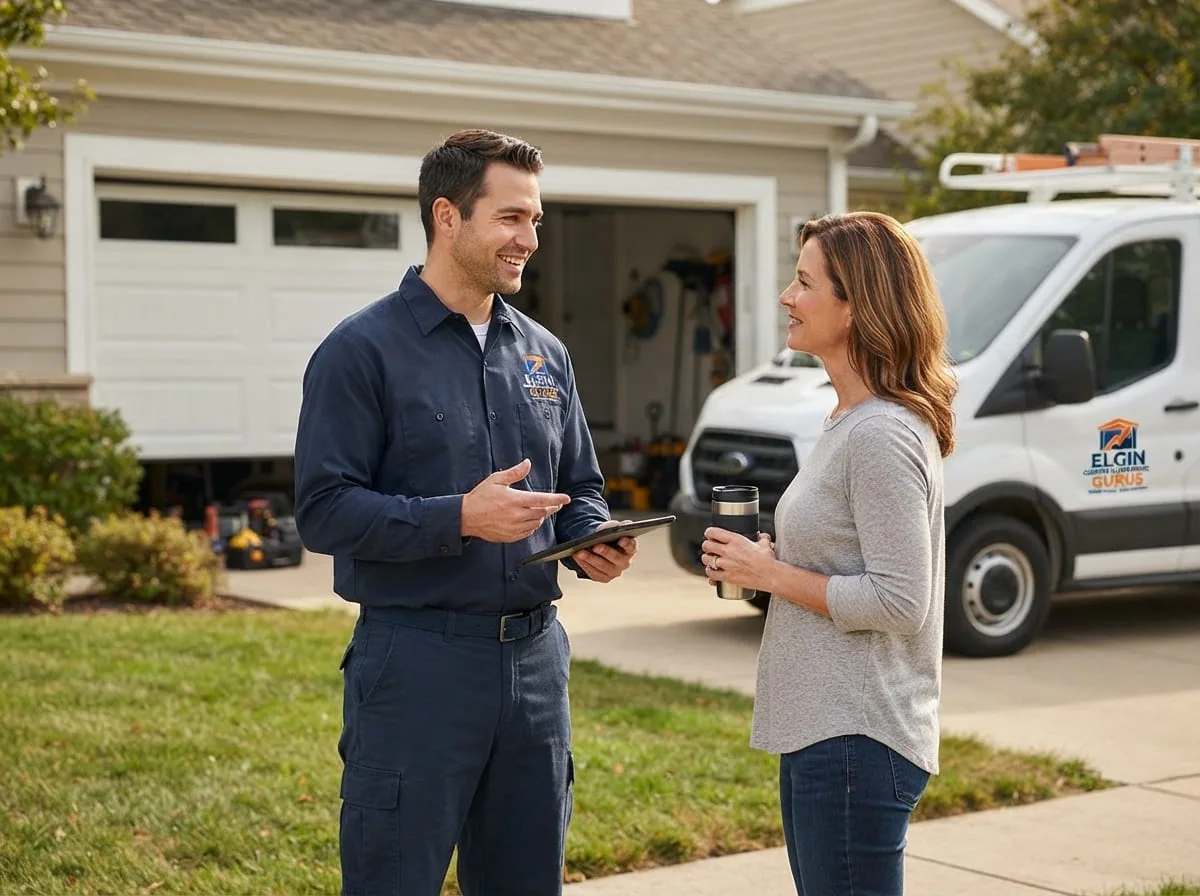
Every garage door makes some noise. A healthy one should sound like a low, steady hum as it travels the tracks, done in a few seconds. If yours has started grinding, squeaking, banging, or rattling, that change in sound is diagnostic information, not just a nuisance. Different noises point toward different failing parts, and knowing which is which can save you from paying to fix the wrong thing.
In Elgin and the surrounding Kane and Cook County suburbs, cold-weather swings make noise complaints spike every winter. Steel contracts, factory lubricant thickens, nylon rollers get brittle, and hardware that was already a little loose finds the extra vibration it needed to start rattling. That doesn't mean every noisy door has a winter cause, but it's one more clue worth listening for.
This page walks through what each type of noise usually means, what you can safely check and tighten yourself, and where the line sits between a five-minute homeowner fix and a repair that needs a trained technician. Marcus Reyes and the team at Elgin Garage Door Repair Gurus diagnose before quoting anything, so you're never paying for a part that wasn't actually the problem.
Why Noise Is the First Warning Sign
A garage door has more moving parts under tension than almost anything else in a house: torsion or extension springs storing enormous force, rollers riding steel tracks, hinges flexing at every panel joint, and either a chain, belt, or screw drive pulling the whole assembly up and down hundreds of times a year. Any one of those parts wearing out changes the sound before it changes anything else you'd notice visually.
That's actually good news. A door that starts making a new noise is usually giving you a window to fix a small, inexpensive problem before it becomes a stuck door, a dented panel, or a snapped spring. Ignoring the sound and hoping it goes away is the most common way a simple lubrication job turns into an emergency call.
Grinding, Squeaking, Banging, Rattling: What Each Sound Usually Means
The type of noise, and where it seems to come from on the door, narrows down the likely cause well before a technician ever opens a toolbox.
- Grinding or scraping — usually rollers. Worn or flat-spotted rollers, or rollers that have jumped slightly out of the track, scrape metal on metal instead of rolling smoothly. A grinding noise concentrated at one section of travel often means a specific bent or misaligned stretch of track.
- Squeaking or squealing — almost always dry hinges, dry rollers, or a dry opener chain. This is the noise most likely to be a simple lubrication fix rather than a worn-part replacement.
- Loud banging or a single sharp bang — often loose hardware (a bracket or hinge bolt working itself loose over thousands of cycles), a section hitting a bent track, or, in the more serious case, a spring reaching the end of its life. A single loud bang followed by the door feeling heavier or refusing to open is a classic broken spring symptom.
- Rattling that runs the whole cycle — usually loose hardware distributed across several points: track brackets, hinge bolts, or an opener unit that has come loose from its mounting bracket on the ceiling.
- A rhythmic clunk-clunk-clunk — worth checking the individual roller stems and hinges for wear at a consistent interval matching the panel spacing.
No single sound guarantees a single cause, and doors often develop more than one problem at once. But this breakdown is a reliable starting point for figuring out whether you're looking at a five-minute fix or something that needs a trained eye.
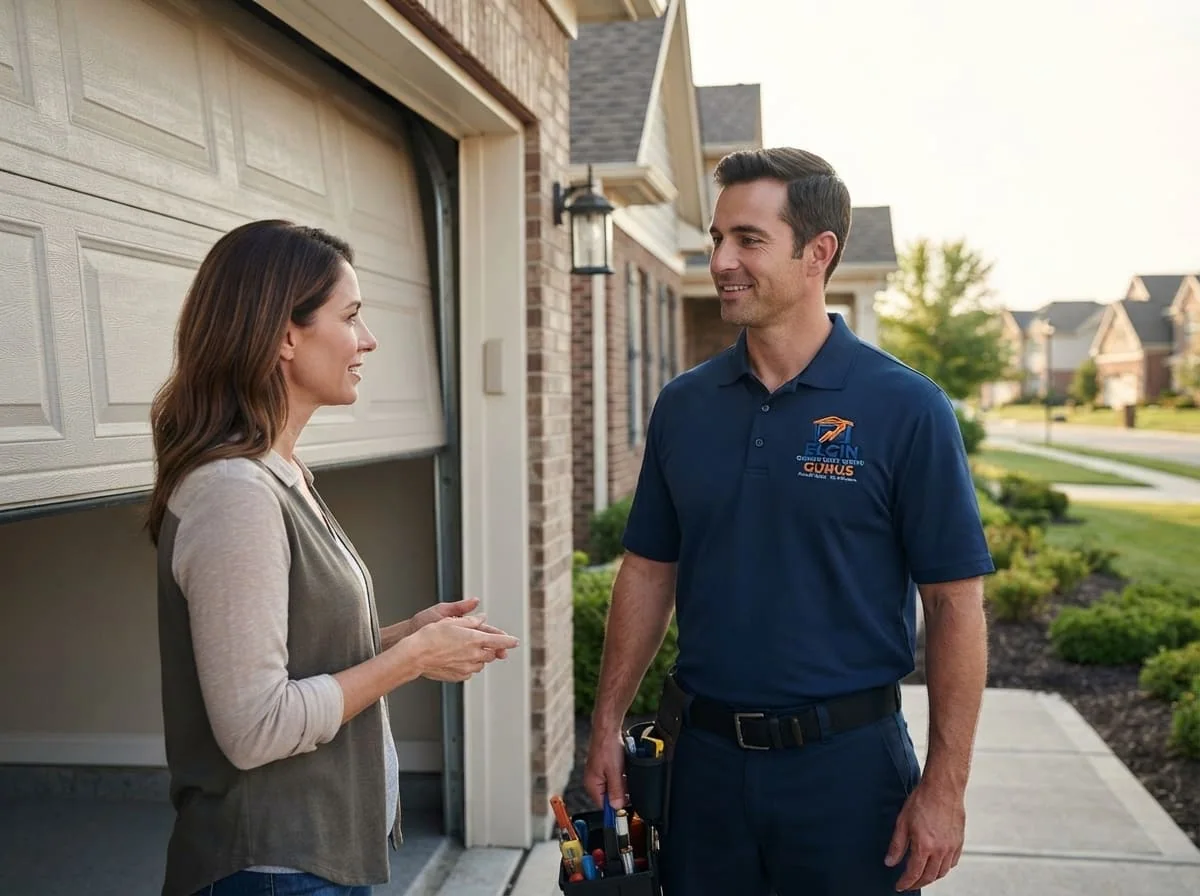
Lubrication and Tightening You Can Safely Do Yourself
Some noisy-door fixes are genuinely homeowner-friendly, and there's no reason to pay for a service call for these. With the door closed and the opener unplugged for safety, most homeowners can safely handle the following:
- Wipe old grease and dust off the tracks with a rag — never lubricate the tracks themselves, only the parts that roll and pivot.
- Apply a light coat of a garage-door-specific lithium or silicone spray lubricant to roller bearings, hinge pivot points, and the opener's drive chain or screw. Avoid heavy household grease or WD-40 as a long-term lubricant; it attracts grit and gums up over time.
- Check every visible nut and bolt on the hinges and track brackets with a socket wrench and snug anything that's turned loose. Don't overtighten — stripped hardware is worse than loose hardware.
- Confirm the roller brackets and track are still bolted firmly to the wall framing, not just the drywall or trim.
- Check the opener's mounting bracket at the ceiling and the header bracket above the door for any give.
Do this once or twice a year and a lot of squeaking and light rattling simply stops. It's also the single best thing a homeowner can do to catch a developing problem — like a stripped bolt hole or a cracked bracket — before it turns into something worse.
When the Noise Means It's Time to Call a Professional
Lubrication and tightening won't fix everything, and a few noises are signs you should stop troubleshooting and call for a diagnostic visit instead of reaching for a wrench:
- Never touch the springs. Torsion springs store enough tension to cause serious injury if handled without the right training and tools. A grinding or banging noise that traces back to the spring area, or a door that suddenly feels much heavier, needs a technician.
- Grinding that continues after rollers are cleaned and lubricated usually means the rollers themselves are worn out and need replacement, or the track has a bend that's forcing metal-on-metal contact.
- A loud bang followed by the door refusing to move, or moving unevenly, is a strong sign of spring failure or a snapped cable — both are jobs for a trained technician, not a DIY repair.
- Noise that only shows up when the opener is running, especially a grinding or straining motor sound, can point to a failing gear inside the opener unit or a chain that's lost proper tension.
- Any noise paired with the door binding, jumping the track, or closing unevenly on one side.
If you're not sure which category your noise falls into, that's exactly what a diagnostic visit is for. It's far cheaper, and safer, to have someone confirm a simple fix than to guess wrong on something spring-related.
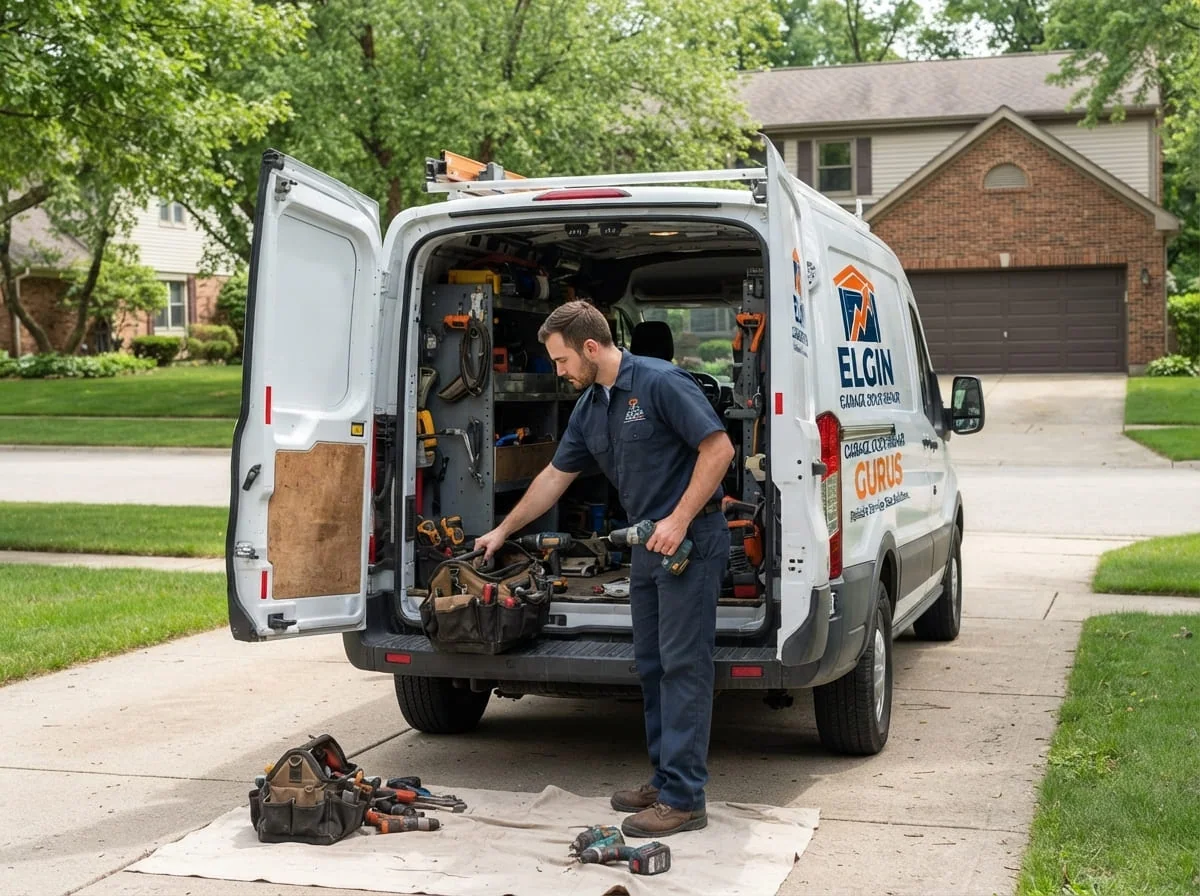
Why Elgin-Area Winters Make Doors Louder
Cold weather is one of the most common, and most overlooked, contributors to a noisy garage door in this part of Illinois. When temperatures drop toward the January averages typical for Elgin, several things happen at once: steel torsion springs contract and lose a bit of tension, metal track sections contract slightly and can bind against rollers, factory-applied lubricant thickens and stops doing its job, and nylon rollers already worn from age get more brittle and prone to cracking or flat-spotting. Freeze-thaw cycles can also shift a concrete slab or foundation slightly, which throws off track alignment over a season.
None of this means every noise in December is unfixable on your own — a stiff, squeaky door after a cold snap often just needs fresh lubrication rated for low temperatures. But a door that was fine in October and suddenly grinds or bangs in January is worth a closer look, since cold weather tends to expose a part that was already close to failing.
How Elgin Garage Door Repair Gurus Diagnoses Noise
Marcus Reyes started this company after years of watching customers get quoted for full replacements when the real problem was one worn part. Every noise call starts the same way here: we ask what the sound is, when it started, and where on the door it seems to come from, then we confirm it in person before recommending anything.
You'll get a plain-language explanation of what's actually causing the noise, what it takes to fix it, and upfront, honest pricing before any work begins — never a sales pitch toward a full door or opener replacement when a targeted repair will solve it. Our technicians are background-checked and insured, and we offer same-day appointments where possible for noise complaints that are affecting daily use of the garage.
What to Expect When You Call
Describe the Sound
Tell us what the noise sounds like, when it happens in the door's cycle, and where it seems to come from so we can start narrowing down the cause before we even arrive.
On-Site Diagnostic Walkthrough
A technician runs the door, inspects rollers, hinges, springs, cables, tracks, and the opener assembly, and confirms the actual source of the noise.
Upfront Explanation and Quote
You get a plain-language explanation of what's wrong and an honest quote for exactly what needs fixing, with no pressure toward replacement parts you don't need.
Repair, Lubricate, and Test
We repair or replace only the failing part, lubricate the full system, and run several full cycles to confirm the door operates quietly and smoothly before we leave.
Noisy Garage Door Repair in Elgin, IL FAQs
Is a noisy garage door dangerous?
It can be, depending on the cause. Squeaking is rarely dangerous, but a loud bang, a sudden grinding near the springs, or a door that gets noisy and then heavier to lift can signal a failing spring or cable, both of which carry real injury risk if handled without training.
Can I fix a noisy garage door myself?
Often, yes. Cleaning and lubricating rollers and hinges and tightening visible hardware solves a lot of squeaking and light rattling. Anything involving the springs, cables, or the opener's internal gearing is best left to a trained technician.
How much does it cost to fix a noisy garage door?
It depends entirely on the cause — lubricating and tightening hardware costs far less than replacing worn rollers, a bent track, or a failing spring. Elgin Garage Door Repair Gurus diagnoses the actual problem first and provides a free, upfront quote before any work begins, so you know the cost before committing.
Why does my garage door get louder in winter?
Cold contracts steel springs and tracks, thickens lubricant, and makes aging nylon rollers more brittle, all of which tend to show up as new grinding, squeaking, or rattling once temperatures drop in the Elgin area.
What kind of lubricant should I use on garage door parts?
A lithium- or silicone-based spray lubricant made for garage doors works best on rollers, hinges, and the opener chain or screw. Avoid heavy grease or general-purpose sprays, which attract dust and grit and gum up over time.
How long does a noisy garage door repair take?
A lubrication and hardware-tightening visit is usually quick, often finished within an hour. Repairs involving roller replacement, track adjustment, or spring work take longer, and a technician can give you a specific estimate once the cause is confirmed on-site.
Will lubricating my garage door void anything or cause damage?
No, light lubrication of rollers, hinges, and the opener chain is routine maintenance and recommended at least once or twice a year. Just avoid spraying lubricant directly onto the tracks themselves, since that attracts debris rather than helping the door move smoothly.
Need Noisy Garage Door Repair in Elgin, IL?
Elgin Garage Door Repair Gurus is ready to help — call now for a free, upfront quote.